What Can You Engrave? A Look Inside Personalized Stone Engraving Ideas & Imagery
2026-08-02
Uncover the art of personalized stone engraving. Learn how CO2 lasers transform your designs, text, and photos into lasting tributes on granite, marble, and slate. Discover our precise process for creating unique, detailed stone pieces.
Personalized Stone Engraving: Lasting Tributes for Couples
Designing Your Engraved Stone
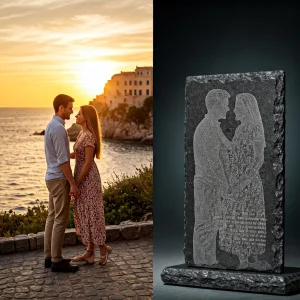
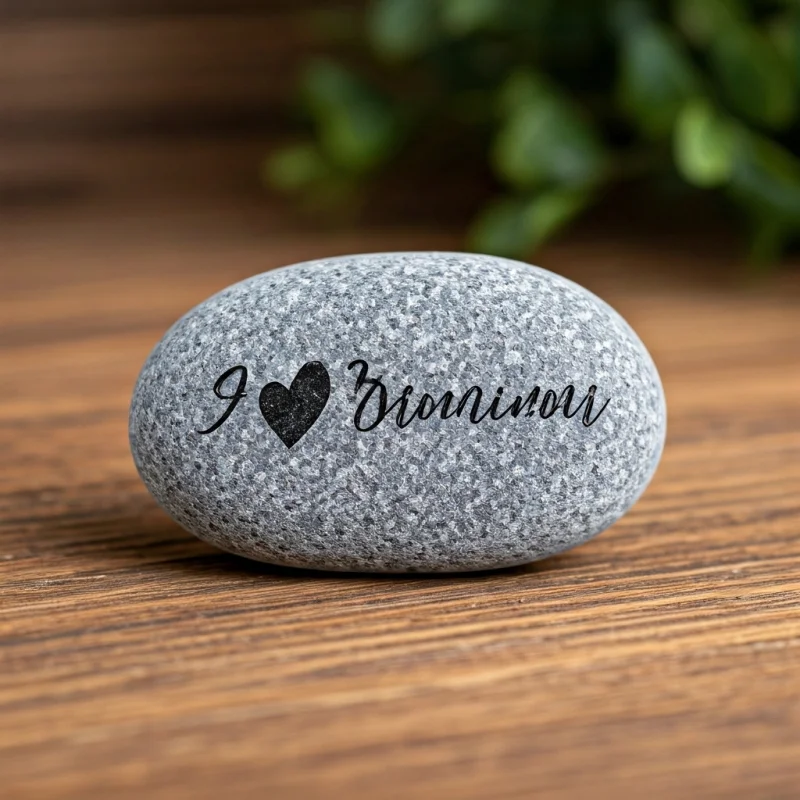
Creating a personalized stone decoration starts with your vision. We take inspiration from names, dates, meaningful quotes, or specific locations. For couples, common choices include wedding dates, anniversary years, or the GPS coordinates of where they met. Simple images like intertwined rings, a pair of doves, or an infinity symbol also work well. These elements combine to tell a unique story.
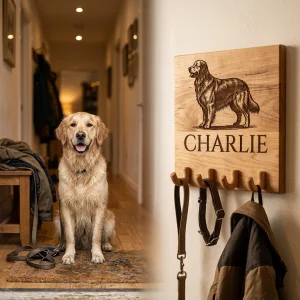
For text, clear fonts are essential. We prefer vector files (like `.svg`, `.ai`, `.eps`) for all lettering. This ensures crisp, scalable lines without pixelation. A design with only text offers sharp results on any stone type.
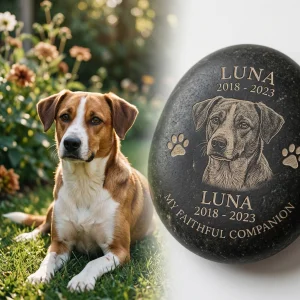
When incorporating photos, we use high-resolution raster images (e.g., `.jpg`, `.png`, `.tiff`) at 300-600 DPI. The laser processes these images by creating a pattern of dots – similar to a newspaper photo – varying in density to mimic shades of gray. This technique, called dithering, translates photographic detail onto the stone's surface. Darker areas receive more laser pulses, removing more material or creating deeper marks. Lighter areas get fewer.
Our designers provide a digital proof for your approval. This proof shows exactly how your design will appear on the chosen stone, including scale and placement. It's your chance to check every detail before production.
The Engraving Process: Machines & Materials
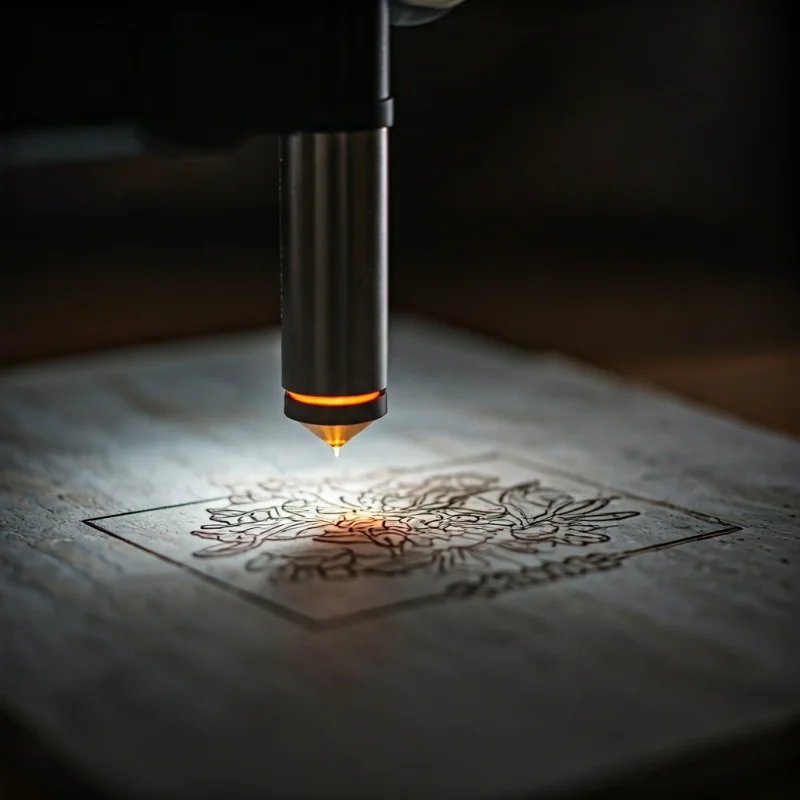
Engraving stone primarily involves a CO2 laser system. This machine precisely removes material from the stone surface. It doesn't paint or add ink. Instead, it etches away microscopic layers, creating a tactile, permanent mark.
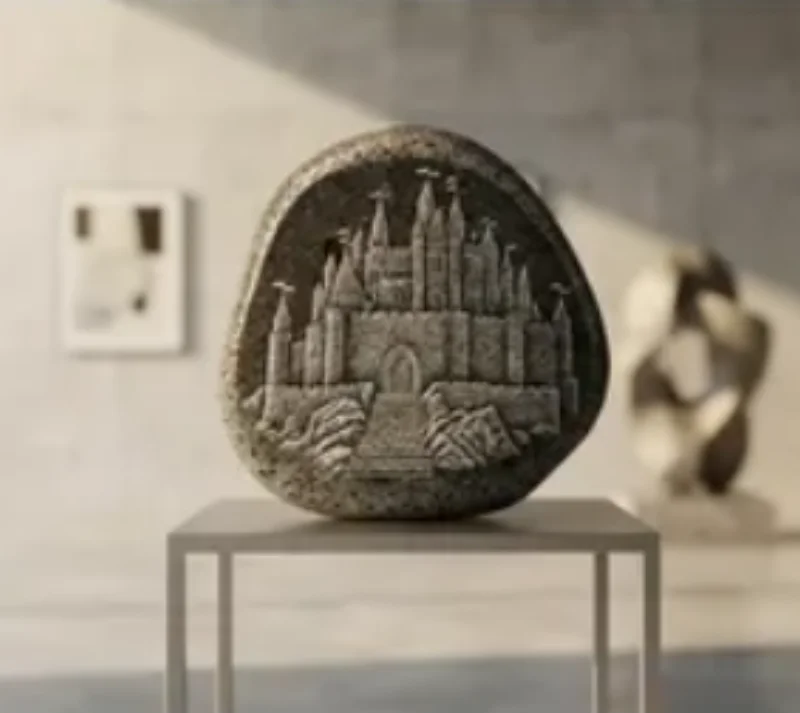
The process depends on the stone type. Granite, a very hard igneous rock, yields a lighter, frosted appearance against its dark background when engraved. The laser vaporizes surface material, revealing lighter aggregate crystals beneath. Softer stones, like marble or slate, often produce a deeper, more contrasted engraving because their structure allows for greater material removal and absorption of laser energy.
Here's a breakdown of the key technical aspects:
| Process Aspect |
Detail for Stone Engraving (CO2 Laser) |
| Laser Type |
CO2 Laser Engraver |
| Wavelength |
10.6 micrometers (µm) |
| Mechanism |
Heat energy ablates the stone surface. This vaporization creates etched relief. Contrast forms from micro-fractures, exposed lighter stone aggregate, or soot deposition (depending on stone type). |
| Typical Power Range |
30-100 Watts (W) for most decorative pieces. Higher power for deeper engravings. |
| Engraving Speed |
100-500 millimeters per second (mm/s). Slower speeds yield deeper marks. |
| Resolution (DPI) |
300-600 Dots Per Inch. For detailed photos, 600 DPI is common. |
| Material Compatibility |
Granite, marble, slate, basalt, river stones. Stone hardness significantly affects optimal speed and power settings. |
Achieving Detail: Parameters & Precision
A CO2 laser produces a concentrated beam of infrared light. This beam moves across the stone surface, guided by computer-controlled mirrors. The laser's power setting determines how much energy impacts the stone. Speed dictates how long that energy dwells on each spot. A higher power and slower speed remove more material, resulting in a deeper etch.
For photo engravings, resolution plays a huge part. We use 600 DPI for most photographic elements to capture finer detail. The laser software converts the image into a series of laser pulses. The frequency and duration of these pulses create varying depths and textures on the stone. This optical illusion mimics shades and tones.
Certain design elements present challenges. Extremely fine lines, under 0.5mm thick, can be difficult to render sharply on stone, especially on rougher surfaces. Tiny text, smaller than 6pt font, might become illegible. Overly complex designs with many intersecting thin lines can also lose definition. Simpler designs often yield the best, most impactful results on stone. We always advise on what's achievable for a specific stone type.
This precision results in a lasting piece. The engraving doesn't fade, chip, or wear away like surface prints. It's a part of the stone itself.
Proofing and Finishing
After your digital proof approval, the actual engraving begins. The stone is secured on the laser bed. We perform a test run on a scrap piece of similar material to fine-tune power and speed settings. This ensures the perfect depth and contrast for your specific design and stone type.
Once engraved, the stone undergoes a cleaning process to remove any dust or residue. For some projects, we may apply a protective sealant. This enhances durability and brings out the stone's natural colors. The finished product is a permanent, personalized item, ready to commemorate special moments. These engraved stones make unique and enduring gifts, marking anniversaries, weddings, or remembering loved ones. They're tangible memories.
FAQ
What types of stone are best for laser engraving?
Granite, marble, slate, and river stones are excellent choices. Granite offers high contrast with a frosted appearance. Marble provides a smooth, elegant etch. Slate yields a deep, dark engraving. River stones vary, offering a natural, rustic feel.
Can you engrave a photograph onto a stone?
Yes, we engrave photos onto stone. We convert the image into a high-resolution, grayscale format. The laser then creates a pattern of tiny dots on the stone's surface, reproducing the image's tonal variations. The result is a detailed, permanent likeness.
What are the limitations of stone engraving?
Very intricate details, like extremely thin lines or tiny text below 6pt font size, might not transfer perfectly onto stone. The stone's natural grain and hardness can also affect the final appearance of fine features. We suggest simpler designs for optimal clarity.
Start to Make Your Unique Gifts
You May Also Like
← Back to articles