The Secret Life of Wood: Laser Engraving and Cutting Reactions
Understanding Wood's Response to Lasers
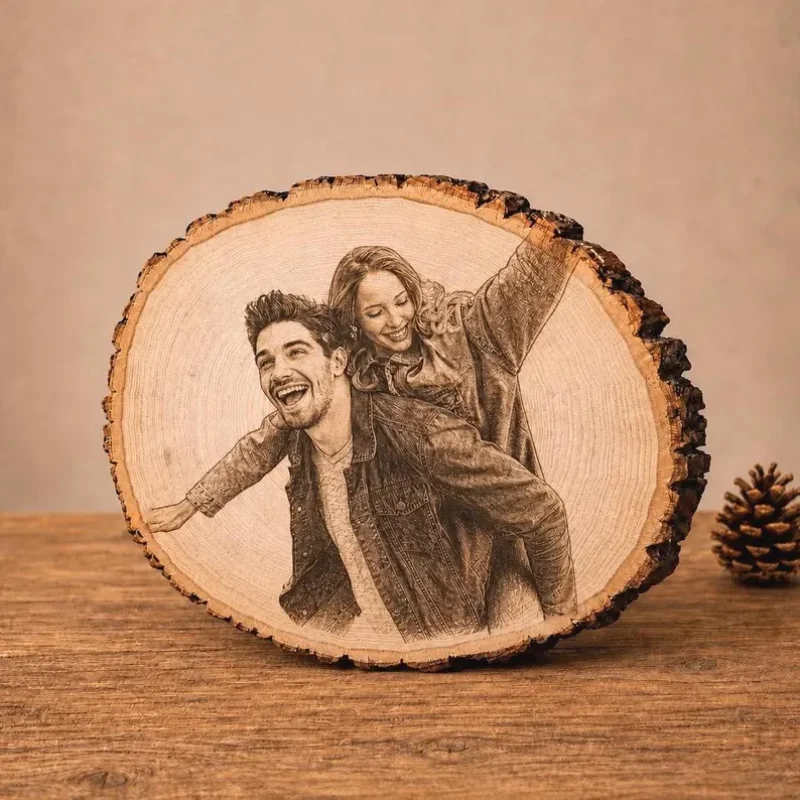
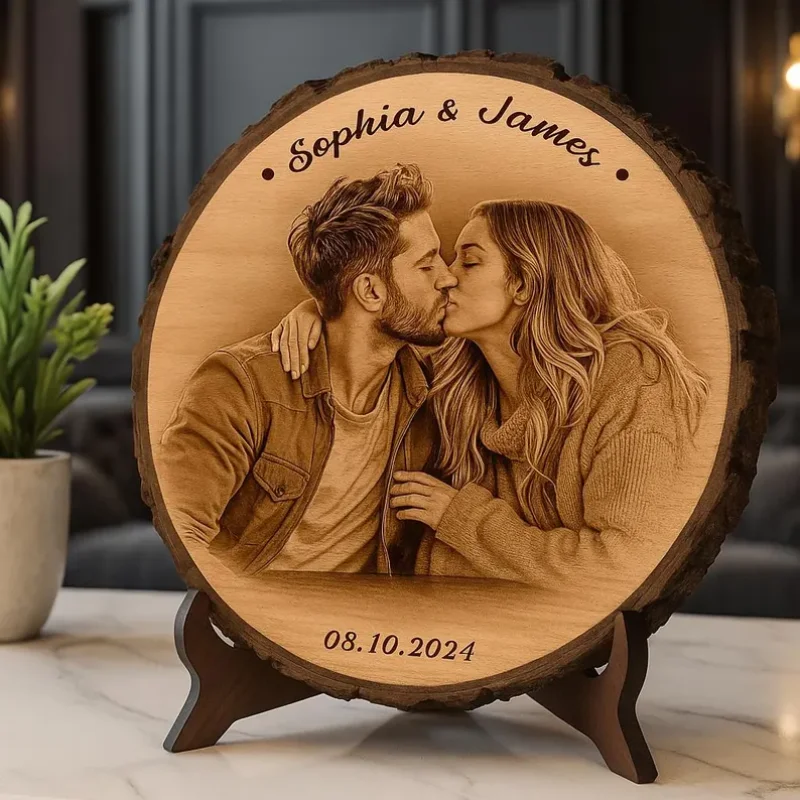
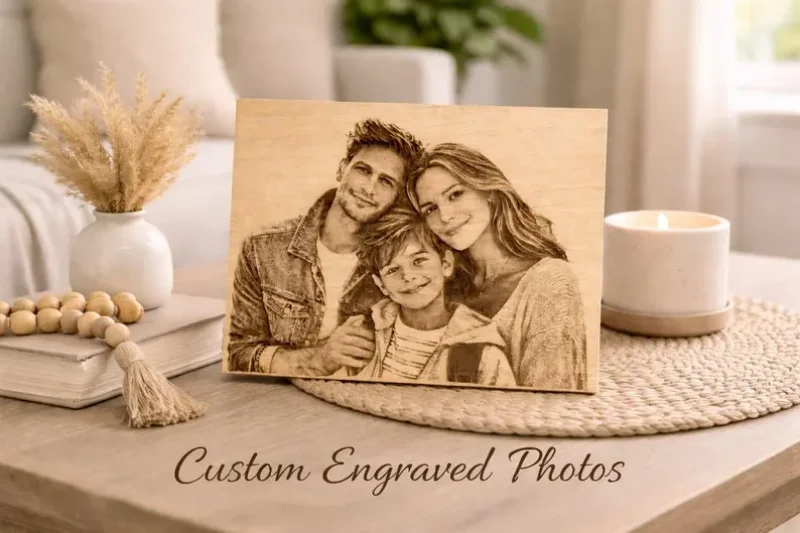
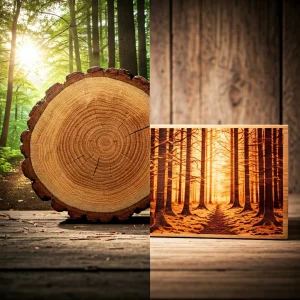
Wood isn't just wood. Its density, grain, and resin content change how it reacts to a focused laser beam. When laser light hits wood, its energy turns into heat. This heat vaporizes or chars the material. Different wood types react uniquely. This impacts how your `wood laser engraving` looks and how clean your `hardwood laser cutting` turns out.
Each plank delivers distinct results. That's its nature. You need to grasp these small differences to get good work.
Hardwoods vs. Softwoods: A Quick Look
Softwoods usually process faster. They're less dense. But they often char more, especially on cut edges or inside engravings. Hardwoods are denser. They need more power and slower speeds for cutting. Still, they often give cleaner lines and richer, more consistent tones when you engrave them.
Maple: Precision and Subtle Tones
Maple is a top pick for `wood laser engraving`. Its fine, tight grain and pale color create crisp, precise lines. Engraved areas usually turn light to medium brown, giving good, gentle contrast. For `hardwood laser cutting`, maple gives clean edges. It needs more power to cut than pine, but less for a light engraving. It's perfect for detailed images, decorative boxes, and fine signage.
Cherry: Warmth and Rich Contrast
Cherry wood has a beautiful, warm color. Laser engraving turns it a deep, reddish-brown. This makes a strong, inviting contrast with the natural wood. Cutting cherry is usually smooth. It's a popular choice for personalized awards, jewelry box lids, or elegant wall art. Cherry also ages naturally, so engraved areas deepen beautifully over years.
Walnut: Deep Etches, Bold Statements
Walnut's dark color gives its laser engravings a distinct look. Engraved spots often come out dark brown or nearly black. This offers less contrast than on lighter woods, like maple. Walnut is great for `hardwood laser cutting`, giving very clean, sharp edges. We suggest walnut for bold designs, custom coasters, or when the rich, dark base color itself is the star, not a stark contrast.
Birch Plywood: Versatility for Projects
Birch plywood is a true workhorse. It cuts incredibly well, especially in thinner sheets. This makes it perfect for intricate designs and layered projects. Its multiple layers give a clean, layered edge when cut. `Wood laser engraving` on birch plywood leaves a clear, medium brown mark. Beware: adhesives between layers sometimes cause small inconsistencies or more smoke during processing. Still, it's popular for models, complex patterns, and detailed crafts.
Pine: The Resinous Reality
Pine is a softwood. It has high resin content and an open grain. This makes `wood laser engraving` tricky. Engravings can turn out fuzzy, inconsistent, and char a lot. When `hardwood laser cutting` (yes, even softwoods get cut), you'll need lower power and faster speeds to reduce burning. Pine isn't for fine detail. Use it for rustic signs or big cutouts where a charred edge actually looks good.
Fine-Tuning Your Laser Settings
No two wood pieces are the same. Always test your settings on a scrap piece of the exact material first. Adjust power, speed, and frequency (PPI/Hz) to get the right engraving depth and cut quality. Air assist is key. It blasts away smoke and debris, stopping charring and surface stains. Your focus distance also affects how sharp your details turn out.
Frequently Asked Questions
Can I laser engrave any type of wood?
Most natural woods work for engraving. Results change a lot depending on the species. Soft, sappy woods like pine char more than dense hardwoods. Stay away from engineered woods with formaldehyde, like some MDF or pressure-treated lumber. They release toxic fumes if you cut or engrave them.
What causes charring? How do I reduce it when laser cutting?
Charring occurs when the laser's heat burns wood fibers, leaving carbon. More power, slower speeds, or weak air assist all add to more char. To cut back on it, fine-tune your power and speed. Use strong air assist right at the cut. You can also apply masking tape to stop smoke from staining the wood surface.
Why do woods engrave with different colors?
The color of a `wood laser engraving` comes from the wood's natural shade, its density, and its chemical makeup. Heat causes wood fibers to break down, which changes their color. Lighter, less dense woods usually show more contrast and lighter browns. Darker, denser woods can give deeper browns or black, but often with less overall contrast.