Bringing Nature Indoors: Natural Wood Art for Your Home
New rooms can feel a bit bare. Sometimes stark. Natural wood art instantly warms things up. It connects your space to the outdoors. Modern lines soften. Real wood pieces offer unique textures and stories, nothing like mass-produced items. Each one shows its maker's hand.
Why Natural Wood?
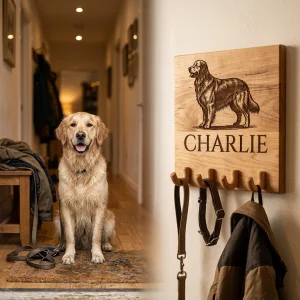
Synthetics can't match wood's organic touch. Grain patterns differ in every piece. Every piece has unique marks. Not flaws. They're authentic. Maple gives light, smooth tones. Walnut delivers deep, dark colors. Oak features prominent, rugged grain. Wood art fits many design styles. Minimalist, farmhouse, industrial – it works in all these looks. Choosing wooden decor adds lasting style.
Designing with Wood Wall Art
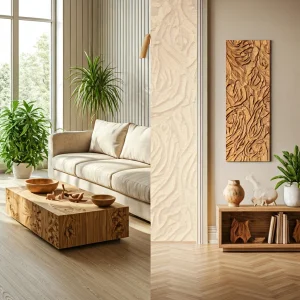
Walls are a big canvas for wood art. Large, abstract wood carvings grab attention. They're instant focal points. Imagine a three-foot geometric panel, maybe reclaimed barn wood. Smaller, intricate cutouts are great for galleries. Cluster three to five pieces of different sizes. It makes things interesting. Laser-cut animal silhouettes, perhaps from birch plywood, add whimsy to a kid's room or study. Try a mosaic using various wood types. It makes depth and a unique palette, all without paint. Wall art in wood adds depth, character.
Beyond Walls: Wood Decorative Items
Wood decor isn't just for walls. Sculptural wooden pieces give shelves and tables more dimension. A hand-carved wooden bowl works as art on a console. It holds keys. Or it just stands there. Wooden bookends add charm to any shelf. Tiny carved animal figures, say from ethically sourced olive wood, dot a mantel with personality. Even a simple, sanded block of spalted maple can be beautiful. Think about custom wooden coasters. Or a serving tray. These little things tie a room together. They make a house feel like home.
Integrating Wood Pieces
Begin with one big wood piece. Maybe a statement wall art piece. Then add smaller accents. Don't overdo it. Too much wood feels heavy. Mix different wood tones. A dark walnut desk goes well with light ash decorative items. Vary textures, too. Mix smooth, polished wood with rougher, unfinished pieces. This makes your space more complex. Make sure pieces get good light. Natural light shows off wood grain nicely. Artificial lights can bring out specific details. LED spotlights create drama. Remember: quality trumps quantity. One good piece often says more than a dozen okay ones.
Natural wood art brings character and calm. It ties your home to nature's lasting beauty. Pick pieces that match your style. Let them add warmth, authenticity to your new space.
FAQ
What types of wood are best for home decor?
Oak, maple, walnut, and cherry are popular. They're durable. Their grain patterns stand out. Reclaimed wood, like barn wood, brings rustic charm, a unique history. Birch or ash offer a modern, minimalist look. Your pick depends on the feel you want for your room.
How do I clean and maintain wood art?
Dust regularly with a soft, dry cloth. For deeper cleaning, use a slightly damp cloth. Add a mild wood cleaner. Then dry the surface right away. Skip harsh chemicals. Don't use too much moisture. Keep wood art out of direct sun. Avoid extreme temperature shifts. This stops warping, fading.
Can I mix different wood tones in one room?
Absolutely. Mixing wood tones adds depth. It makes a room visually interesting. Try for balance. Match a main wood tone with one or two lighter or darker shades that work well. Make sure other things in the room – textiles, paint colors – help tie all the wood pieces together.
Where can I find unique wood art?
Check local artisan markets. Online craft sites like Etsy are great. So are specialized personalized gift shops. They often have unique, handmade wood art. Think about hiring a local woodworker. They can make you a truly custom piece. Something perfect for your design and space.