World Animal Day: 5 Laser Engraved Wooden Pet Memorial Plaques
Smartphone cameras apply aggressive noise reduction and artificial sharpening. On screens, these pictures look crisp. Burned into wood fiber with a CO2 laser, low-resolution phone shots turn blurry. Direct rastering fails because laser beds require discrete pixel points rather than smooth digital color gradients.
Technical Photo Preparation for Wood Engraving
Fixing smartphone photos for pet photo laser engraving requires five distinct prep steps:
- Crop tight: Cut away background room to fill the frame with your pet's face and collar.
- Convert to grayscale: Strip all color channels in graphics software like GIMP or Photoshop.
- Adjust mid-tone contrast: Boost mid-tones by 25%. Dark fur absorbs too much laser heat if shadows aren't brightened.
- Apply edge sharpening: Set an Unsharp Mask filter at 150% amount with a 1.2-pixel radius. Soft fur edges need crisp definition.
- Dither the image: Run a Jarvis or Stucki dithering algorithm at 300 DPI. Dithering converts gray values into microscopic black dots that laser optics burn cleanly.
Laser Rastering Settings and Protective Finishes
Wood species react differently under laser heat. Alder wood offers a soft, light surface with uniform density. A 60-watt CO2 laser running at 350 mm per second at 18% power engraves alder evenly. Set your line pitch between 0.08 mm and 0.064 mm (318 to 400 DPI) for clear text lines.
Working with laser engraving bamboo demands higher power and air pressure. Bamboo contains tough silica fibers and dense nodes that trap sap. Bump power to 22% at 300 mm per second. Keep air assist set high to clear resin smoke. Otherwise, sticky resin settles in the burn tracks and turns yellow.
Seal raw engravings to prevent moisture damage. Apply two coats of Danish oil with a lint-free cloth. Wait 20 minutes between applications, wiping away surplus liquid. Avoid thick acrylic sprays. Liquid lacquer coats pool inside deep raster cuts, hiding fine details.
5 Laser Engraved Wooden Plaques for Pet Loss Memorials

1. Live-Edge Alder Slab Plaque
Natural bark borders give live-edge alder slabs an authentic feel. Light timber color creates high visual contrast against dark burn lines. This format suits long-haired dog breeds where subtle fur lines matter.
2. Carbonized Bamboo Desktop Block
A solid 1-inch thick bamboo block stands independently on desks or floating shelves. Steamed carbonized bamboo features a warm amber tone. Etch a high-contrast vector paw print, pet name, and life dates on the front face.
3. Recessed Walnut Stand Plaque
Dark American walnut provides a rich background. A shallow recessed border frames etched line art. Brass pegs fit into drilled holes at the back, supporting the plaque on flat surfaces.
4. Hard Maple Silhouette Keepsake
Hard maple presents a smooth cream-colored surface. It handles high-detail rastering without scorching edges. This style works well for cat portraits and fine line-art vector sketches.
5. Cherry Wall Plaque with Deep-Rastered Edges
Cherry wood deepens to a warm reddish-brown as it ages. Deep-rastering the outer border creates 1mm raised lettering along the bottom edge. Mount it using keyhole slots cut into the reverse side.
Objective Craft Comparison for Pet Memorials
Selecting materials for a pet loss memorial involves tradeoffs between weight, indoor shelf presence, weather resistance, and fine detail capabilities.
Wooden Laser Engraving: Warm organic feel with rich tactile depth. Natural grain patterns make every item unique. Wood can swell or warp if exposed to outdoor rain.
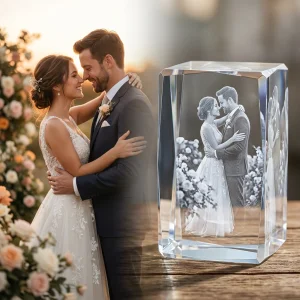
Crystal Glass Laser Engraving: Uses focused sub-surface lasers to form 3D point-cloud images inside optical glass blocks. Completely impervious to moisture and aging. It lacks physical surface texture and shows fingerprints easily.
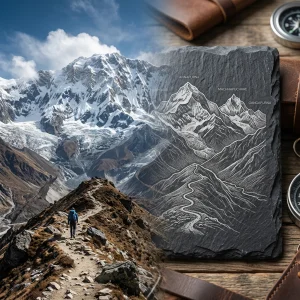
Stone Laser Engraving: Polished black granite or natural slate tiles produce stark white engravings against dark surfaces. Highly durable for outdoor placement near grave sites or gardens. Stone slabs are heavy and costly to ship.
Feathers And Leaves Laser Engraving: Micro-diode lasers cut delicate patterns into dried natural leaves or feathers. Offers delicate biological art. Highly fragile; must remain sealed inside shadowbox frames away from direct sunlight.
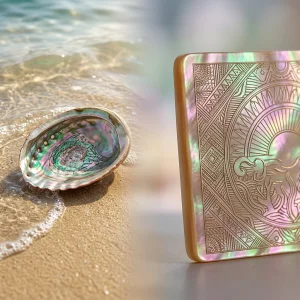
Shell Laser Engraving: Uses laser etching on mother-of-pearl or abalone shell inserts. Produces shimmering, iridescent color changes under light. Material thickness is restricted to thin accent layers.
| Craft Type | Appearance & Texture | Durability | Personalization Depth | Price Range | Production Time | Best-Use Scenarios |
|---|---|---|---|---|---|---|
| Wooden Laser Engraving | Warm, grainy, soft tactile burns | High indoors; vulnerable to wet weather | Deep 2D rastering & vector lines | $25 - $85 | 2 - 4 business days | Indoor wall plaques, mantle displays, desktop blocks |
| Crystal Glass Laser Engraving | Smooth optical glass with suspended white 3D point cloud | Lifetime indoor durability; fragile to drops | 3D internal point-cloud volumetric modeling | $45 - $150 | 3 - 5 business days | Desktop 3D portraits, lighted display bases |
| Stone Laser Engraving | Cold, heavy, high-contrast matte or polished finish | Exceptional; weatherproof and UV proof | Shallow surface fracturing / high-contrast etching | $35 - $120 | 3 - 6 business days | Outdoor garden markers, headstones, patio memorials |
| Feathers And Leaves Laser Engraving | Delicate, organic, paper-thin structural cutouts | Low; requires protective glass enclosure | Precision vector silhouette micro-cuts | $30 - $75 | 4 - 7 business days | Framed shadowbox artwork, delicate wall decor |
| Shell Laser Engraving | Iridescent, shimmering, smooth pearl luster | High material hardness; thin structure | Micro-etched surface vectors and thin line art | $20 - $60 | 2 - 5 business days | Urn accents, memorial jewelry box inserts, small tokens |
Which Material Should You Choose?
Match your specific memorial location and design preferences to these material traits:
- Choose Stone Laser Engraving if the memorial will sit outside in a garden, under a tree, or in a yard exposed to rain and freezing temperatures.
- Choose Wooden Laser Engraving if you want warm, natural wall art or desktop displays featuring detailed pet photo laser engraving.
- Choose Crystal Glass Laser Engraving if you have a high-resolution photo and want a dust-proof, modern desk ornament with backlight support.
- Choose Feathers And Leaves Laser Engraving for delicate indoor shadowboxes celebrating small pets, birds, or minimalist artistic silhouettes.
- Choose Shell Laser Engraving for compact memorial keepsakes like ashes box inlays, urn medallions, or pocket tokens.
What image resolution gives the best pet photo laser engraving results on wood?
Use images converted to 300 DPI at 100% final output size. Raw photos from phones should be cropped tight around the pet's face, converted to grayscale, and processed with a dithering algorithm like Jarvis in laser software. This prevents solid dark areas from scorching into featureless black spots.
How does laser engraving bamboo differ from softwoods like alder?
Bamboo is a dense grass containing hard silica fibers and natural resins. Laser engraving bamboo requires slightly higher power settings—about 10% to 20% more power than alder—and high-pressure air assist. Air blowing across the laser focal point clears sticky sap vapors so they do not settle and discolor the raw bamboo surface.
Can I put a wooden pet loss memorial plaque outside in my garden?
Unsealed wood decays quickly when exposed to soil, rain, and UV light. While oils protect wooden plaques indoors, direct outdoor weather will gray the wood and bleach the laser etching over time. For permanent outdoor placement in a garden or grave site, choose stone laser engraving instead.